
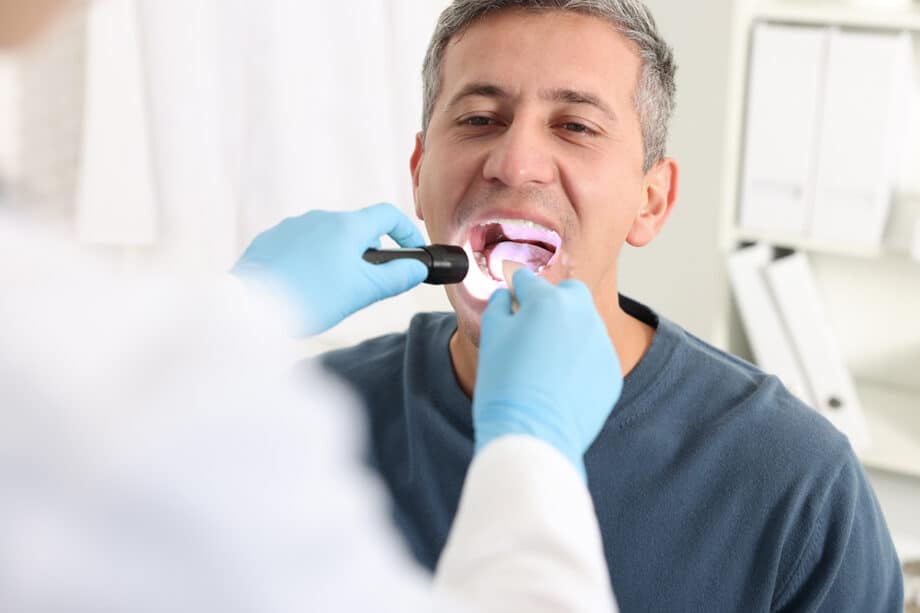
When you sit in our chair for a routine visit, you might think we are only looking for cavities, plaque buildup, or signs of gum disease. While maintaining the health of your teeth and gums remains a primary focus, we also evaluate the overall health of your entire mouth, head, and neck. One of the most critical steps we perform during your appointment is an oral cancer screening. Oral cancer can develop silently, often without causing immediate pain or obvious symptoms, which makes early detection essential for successful treatment and recovery.
During our routine dental exams, we conduct a thorough screening to detect any abnormalities before they become major health concerns. We want you to feel comfortable and informed about every step of your care. By understanding exactly what we look for when we examine your mouth, you can become a more active participant in your own oral health. We look for specific visual cues, perform a physical examination of your tissues, and listen for any symptoms you might be experiencing at home.
The Comprehensive Visual Examination
The first major component of an oral cancer screening involves a careful visual inspection of your face, neck, lips, and the entire inside of your mouth. We use a bright light and a small mirror to see areas that are difficult to view on your own, paying close attention to the soft tissues where abnormalities most commonly appear. We look for any deviations from normal, healthy tissue.
Changes in Color and Texture
Healthy mouth tissue typically maintains a consistent pink color and a relatively smooth texture. During our visual check, we search for distinct patches of color that stand out from the surrounding areas. Specifically, we look for red patches (erythroplakia) or white patches (leukoplakia) on your gums, tongue, tonsils, or the lining of your cheeks. While not all discolorations indicate cancer, persistent red or white patches require close monitoring or a biopsy to rule out precancerous changes. We also look for areas where the tissue appears rough, crusty, or eroded.
Unexplained Ulcers and Sores
It is completely normal to occasionally bite your cheek or develop a minor canker sore from eating acidic foods. However, these common sores usually heal within a week or two. When we examine your mouth, we look for ulcers, sores, or lesions that bleed easily and fail to heal after 14 days. A persistent sore, especially one on the side of the tongue or the floor of the mouth, is a significant warning sign that we need to investigate further.
Asymmetry and Swelling
We assess the symmetry of your face, lips, and neck. While human faces are naturally slightly asymmetrical, we look for sudden or unusual swelling on one side of your face or neck. Inside your mouth, we check whether one tonsil appears significantly larger than the other, or if there is localized swelling along your gums or the roof of your mouth.
The Physical Palpation Process
Because some abnormalities lie beneath the skin or mucosal lining, we cannot rely on our eyes alone. The second phase of the screening involves palpation, which means we use our gloved fingers to gently feel the tissues of your head, neck, and oral cavity. We apply light pressure to detect hidden lumps, bumps, or thickened areas of tissue that we cannot see.
Checking the Lymph Nodes
Your lymphatic system acts as a filter for your body, trapping viruses, bacteria, and abnormal cells. When something is wrong, your lymph nodes often swell. We carefully press along the sides of your neck, under your lower jaw, and behind your ears to check the size and texture of your lymph nodes. Healthy lymph nodes feel small, soft, and mobile. If we discover nodes that feel enlarged, hard, or fixed in place, we will note this and may recommend further medical evaluation.
Examining the Floor of the Mouth and Tongue
The base of the tongue and the floor of the mouth are high-risk areas for oral cancer development. We will often ask you to stick your tongue out or move it from side to side so we can examine its mobility. Then, using gauze to hold your tongue gently, we feel along its sides and underneath. We look for firm masses, deep lumps, or areas of tissue that feel unusually stiff or thick compared to the surrounding muscle.
Assessing the Salivary Glands and Cheeks
We also feel the areas surrounding your major salivary glands, located in your cheeks and under your jawline. We press the tissues between our fingers to check for hidden nodules or obstructions. By physically examining the thickness of your cheek walls and the roof of your mouth, we ensure that the underlying structures remain smooth, healthy, and free of unexplained masses.
Discussing Your Symptoms and Risk Factors
A successful screening requires open communication between you and our team. While we observe and feel for physical signs, we also rely on you to tell us about any changes you have noticed since your last visit. During your appointment, we will ask questions about your daily comfort and discuss lifestyle habits that may elevate your risk for oral health issues.
Persistent Pain or Numbness
We need to know if you experience chronic pain in your mouth, throat, or ears that does not seem to have a clear cause. Earaches that persist without an actual ear infection can sometimes signal a problem in the throat or back of the mouth. Additionally, tell us if you have noticed any sudden numbness, loss of feeling, or tingling in your tongue, lips, or face. Unexplained nerve changes can occur if an unseen mass presses against a facial nerve.
Difficulty Swallowing or Chewing
Pay attention to how your mouth feels when you eat. If you frequently feel like something is caught in your throat, or if you experience pain while chewing or swallowing, please let us know. We also watch for changes in the way your teeth fit together when you close your mouth, as tumors in the jawbone can shift the alignment of your bite.
Understanding Common Risk Factors
We also consider your personal health history to determine your baseline risk level. While oral cancer can affect anyone, certain factors significantly increase your chances of developing the disease. We will review your chart and discuss factors such as:
- Heavy alcohol consumption
- Tobacco use, including cigarettes, cigars, and smokeless tobacco
- Previous history of oral or throat cancer
- Significant sun exposure (which increases the risk of lip cancer)
- Exposure to certain strains of the Human Papillomavirus (HPV)
Taking Charge of Your Oral Health
Finding an unusual spot during a screening does not automatically mean you have oral cancer. Many harmless conditions, such as minor infections, cysts, or tissue irritation from a sharp tooth, can mimic the early signs of more serious diseases. If we discover an area of concern, we typically monitor it closely for a couple of weeks to see if it resolves on its own. If a lesion persists, we will recommend a biopsy or refer you to a specialist for further testing. By attending your regular visits, you allow us to establish a baseline for your oral health, making it much easier for us to spot minor changes before they become major problems. Your proactive approach gives you the best possible chance for long-term health and peace of mind.
Frequently Asked Questions About Dental Exams
How long does an oral cancer screening take?
An oral cancer screening typically takes only three to five minutes to complete. We seamlessly integrate this process into your standard cleaning and check-up appointment, so it requires no extra time in the chair. Despite being a quick process, it is a highly thorough evaluation that plays a vital role in your overall healthcare routine.
Is an oral cancer screening painful?
No, the screening is completely painless and non-invasive. You will only feel gentle pressure as we check your neck, jaw, and the tissues inside your mouth. If we press on a lymph node or a sore spot that is already tender, you might feel a brief moment of mild discomfort, but the screening itself does not cause pain.
At Howard Levitt, DDS, we provide comprehensive care to patients seeking a healthy, beautiful smile. Our team takes pride in offering preventive, restorative, and cosmetic treatments tailored to your unique needs. If you have concerns about your oral health or need to schedule your next visit, please reach out to us.