
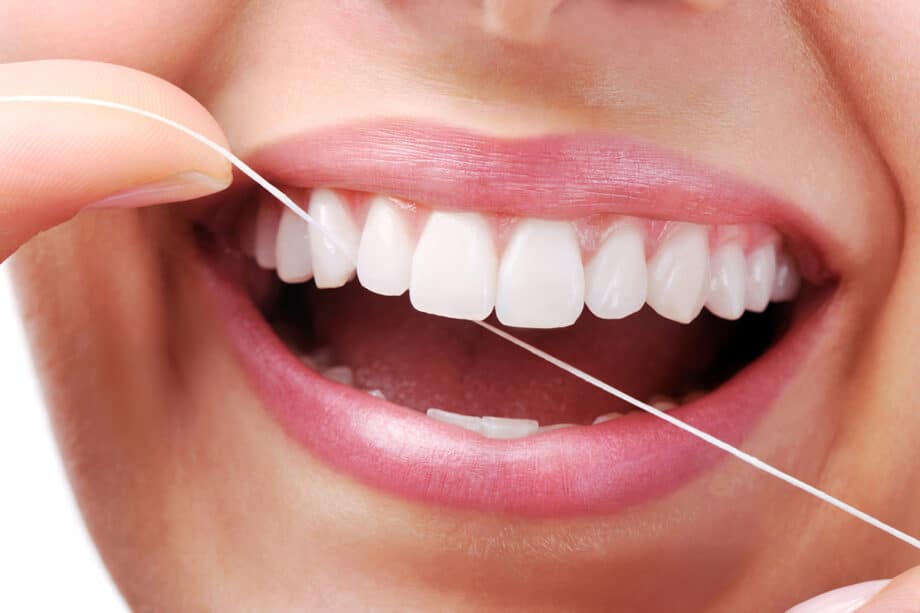
When we brush and floss every day, we take the most important steps toward maintaining a healthy smile. However, even the most meticulous home care routines may leave behind tiny amounts of plaque in hard-to-reach areas. Over time, this leftover plaque hardens into tartar, or calculus. Tartar irritates the gum tissue and leads to the first stage of gum disease, known as gingivitis. You might notice your gums looking a bit red, feeling slightly tender, or bleeding when you brush. Although these signs can seem alarming, the good news is that, at this early stage, we can completely reverse the damage.
We often help patients who feel anxious when they notice these early warning signs, but taking swift action makes all the difference. Reversing gingivitis means improving daily habits and seeking professional help. Dentists and dental hygienists use specialized tools and training to remove the hardened tartar that your toothbrush cannot manage. When we clear away these harmful bacterial deposits, your gums have a chance to heal, reattach firmly to your teeth, and return to robust health.
Understanding the Early Signs of Gingivitis
To reverse early gum disease, we first look at how it develops and what it does to your mouth. Your mouth naturally contains bacteria that constantly form a sticky film over your teeth. When you eat starchy or sugary foods, these bacteria produce acids that damage the enamel. The bacteria also trigger an inflammatory response in your soft tissues. If plaque sits on your teeth for just a few days, minerals from your saliva calcify it into tartar. Tartar creates a rough surface where more plaque accumulates, and this buildup along the gumline leads directly to gingivitis.
Recognizing the early symptoms empowers you to seek help before the condition worsens. We encourage our patients to watch for several key indicators that show gingivitis is starting. When you understand these signs, you can act quickly to protect your smile.
Common Symptoms to Watch For
- Red or swollen gums: Healthy gums look firm and pale pink. Puffy, dark red, or inflamed tissue means that bacteria are irritating your gums.
- Bleeding during brushing or flossing: Gums should not bleed during normal oral care. Bleeding shows active inflammation.
- Persistent bad breath: Bacteria trapped in plaque and tartar release odors that daily brushing or mouthwash cannot eliminate.
- Tenderness or sensitivity: Your gums may feel sore to the touch, or you may feel discomfort when eating certain foods.
- Receding gumlines: You may notice your teeth look slightly longer as irritated gum tissue pulls away from the tooth surface.
The Power of Professional Intervention
When you visit our office for routine care, we do much more than just polish your teeth. We provide comprehensive dental cleanings that stop gingivitis and kickstart your body's natural healing process. During your appointment, we use specialized dental instruments to carefully remove hardened tartar from the surfaces of your teeth and just below the gumline. Only professional cleanings can eliminate tartar—no amount of aggressive brushing at home will remove it. In fact, brushing too hard can damage your already sensitive gums.
After we remove the plaque and tartar, we polish your teeth thoroughly. This step not only removes surface stains but also smooths the enamel. Bacteria struggle to cling to smooth surfaces, which helps prevent new plaque from forming. We also measure the pockets between your teeth and gums. In healthy mouths, these pockets stay shallow, usually measuring between one and three millimeters. By tracking these measurements, we confirm that your gums respond well to the treatment and tighten back up against your teeth as they heal.
Healing and Reversing the Damage Long-Term
Professional cleaning is the crucial first step in reversing early gum disease, but you and our team must work together to keep your gums healthy. After we remove the irritants from your mouth, your gums begin to heal, and the inflammation decreases. To maintain these positive results and stop gingivitis from returning, you must commit to an excellent daily oral hygiene routine. We always take the time to review proper brushing and flossing techniques with you, making sure you know exactly how to target plaque buildup near the gumline.
To help your gums heal, we recommend specific habits and tools for you to use every day. When you stay consistent, you keep your mouth free of plaque, which allows your gums to recover and regain their firm, healthy texture fully.
Best Practices for At-Home Care
- Brush twice a day: Use a soft-bristled toothbrush and fluoride toothpaste. Angle the bristles at 45 degrees toward the gumline to sweep away hidden bacteria.
- Floss daily: Flossing removes plaque from between your teeth where a toothbrush cannot reach.
- Use an antimicrobial mouthwash: Rinse with a therapeutic mouthwash to reduce the overall bacterial load in your mouth and soothe inflamed gums.
- Stay hydrated: Drink plenty of water throughout the day to help wash away food particles and bacteria.
- Keep up with routine visits: Schedule checkups every six months so we can monitor your progress and catch any new tartar buildup before it causes problems.
Maintaining Your Strong and Healthy Smile
Your smile is one of your most valuable assets, and protecting it requires paying close attention to your gum health. Gingivitis gives you an important warning sign, letting you know your mouth needs extra attention and care. By combining our professional expertise with your diligent home care, we eliminate the bacteria and tartar causing the problem. We want you to feel confident and comfortable with your oral health, knowing that early intervention stops this minor issue from turning into severe periodontitis. Together, we keep your gums pink, firm, and resilient for years to come.
Frequently Asked Questions About Dental Cleanings
How often should I get a cleaning if I have early gum disease?
If you have healthy gums, visit us every six months for a routine cleaning. If you show signs of early gum disease or gingivitis, we recommend coming in every three to four months. Visiting more often lets us remove tartar before it causes more inflammation. By staying proactive, you help your gums heal faster and keep the condition from progressing.
Does a professional cleaning for gum disease hurt?
You usually feel little to no discomfort during a standard cleaning, even if your gums feel mildly sensitive or tender because of gingivitis. Our team always uses gentle techniques and focuses on your comfort every step of the way. If your teeth or gums feel especially sensitive, tell us beforehand. We can modify our approach or use desensitizing methods, so your visit feels as easy and stress-free as possible.
At Howard Levitt, DDS, we help our patients keep their smiles bright and healthy through comprehensive dental care. We offer a welcoming environment that meets your specific oral health needs. If you notice signs of gum disease or simply want a routine checkup, please reach out to us to schedule your next appointment.