
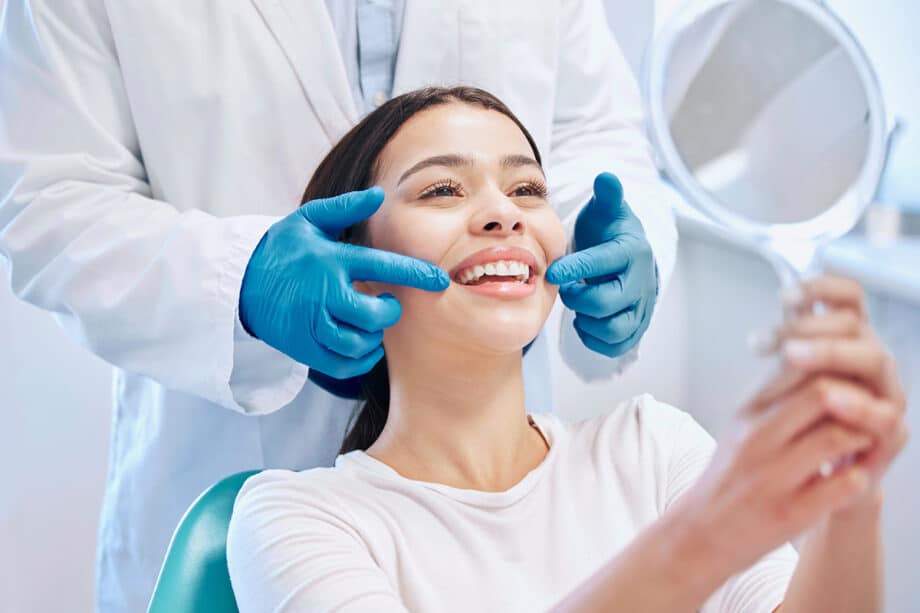
A smile makeover involves more than just one treatment. Instead, it combines one or more dental services to improve how teeth look and, in some cases, how they function. For adults in Brookfield, we often see concerns like stained teeth, chips, worn enamel, uneven spacing, outdated dental work, and teeth that no longer look balanced.
When we talk with patients about smile improvement, we focus on what bothers them most and what we can achieve based on their oral health. Some people want a small change, such as whitening. Others choose a broader plan that may include bonding, veneers, crowns, or clear aligners. In this guide, we will explain what cosmetic dentistry can fix, how common treatments work, and what adults should consider before choosing a smile makeover.
What Cosmetic Dentistry Can Improve for Adults
Many smile concerns start as cosmetic, but they still affect daily life. Many adults report covering their mouths when they laugh, avoiding photos, or feeling self-conscious in social and work settings. A smile makeover helps address visible issues that age teeth, cause damage, or create an uneven appearance.
Cosmetic dental treatments can improve the following common concerns:
- Tooth discoloration from food, drinks, tobacco, or aging
- Small chips or cracks
- Worn tooth edges from grinding or normal wear
- Minor gaps between teeth
- Slightly crooked or uneven teeth
- Teeth that appear too short, small, or misshapen
- Old fillings or restorations that do not match the surrounding teeth
- Uneven gumlines in some cases, depending on the treatment plan
No single cosmetic fix works for every issue. For example, whitening solves many external stains but does not change the color of crowns or tooth-colored fillings. Bonding repairs small chips, while veneers or crowns work best for larger changes in shape or color. That's why a full exam matters before starting treatment.
Common Smile Makeover Options and What They Fix
A smile makeover may involve one treatment or several. The right option depends on the condition of your teeth, bite, gums, and existing dental work. When we help adults choose treatments, we look at both appearance and durability.
Teeth Whitening
Dentists often use professional whitening for the following reasons:
- Yellowing caused by age
- Surface stains from coffee, tea, red wine, or tobacco
- Dull or faded tooth color
Whitening brightens natural teeth, but results depend on the type and cause of staining. Internal discoloration, certain medications, or past trauma may not respond as well as surface stains. Also, whitening products will not lighten crowns, veneers, or fillings.
Dental Bonding
Bonding uses tooth-colored resin to reshape or repair teeth. We use bonding to fix:
- Minor chips
- Small gaps
- Slight problems with shape
- Areas of uneven wear
Bonding is a conservative option because it preserves more of the natural tooth structure than other restorations. Bonding allows targeted improvements, though these areas can stain or chip more easily over time compared to porcelain.
Porcelain Veneers
Veneers are thin shells that we place over the front of your teeth. Veneers commonly improve:
- Stubborn discoloration
- Mild spacing issues
- Uneven tooth size
- Worn or chipped front teeth
- Shape concerns that affect smile balance
Veneers can create a major cosmetic change, but not every patient is a candidate for them. Veneers require some tooth preparation, and anyone with untreated decay, active gum disease, or heavy grinding needs other care first.
Crowns and Tooth-Colored Restorations
Sometimes, a tooth needs both cosmetic improvement and extra strength, so we use crowns as part of the smile makeover plan. Crowns fix:
- Broken or heavily worn teeth
- Misshapen teeth
- Large failing fillings
- Teeth weakened after decay or prior treatment
Replacing old, visible dental work with newer tooth-colored materials improves the look of your smile while restoring function.
When Alignment, Wear, or Damage Affects the Smile
Not all smile concerns stem from color alone. The position of your teeth, signs of wear, and existing damage can change the overall appearance of your mouth. For many adults, small alignment issues become more noticeable over time as teeth shift naturally or enamel wears down.
Clear Aligners or Orthodontic Treatment
Adults with mild to moderate crowding or spacing often benefit from orthodontic treatment as part of their cosmetic plan. Orthodontics addresses:
- Crooked teeth
- Minor bite-related spacing
- Front teeth that overlap
- Teeth that have shifted since earlier orthodontic care
Straightening teeth makes future cosmetic work more conservative, too. For example, moving teeth first reduces the need to reshape healthy enamel later.
Repairing Worn Teeth
Tooth wear makes a smile look flat, aged, or uneven. Causes of wear include grinding, clenching, acid exposure, or long-term friction. Depending on the cause and severity, we treat worn teeth with:
- Bonding
- Veneers
- Crowns
- Nightguards for protection against grinding
If wear continues to occur, we address both the cause and the appearance. Without this approach, the cosmetic result will not last as long as you expect.
Replacing Missing Teeth
A missing tooth changes both appearance and bite. Treatment choices depend on location and oral health needs. Options for replacement include:
- Dental implants
- Bridges
- Partial dentures, in some cases
When we replace missing teeth, we restore a fuller smile and often help prevent nearby teeth from shifting. The best choice depends on bone support, gum health, surrounding teeth, and your overall goals.
What Adults Should Know Before Choosing a Smile Makeover
A good smile makeover requires more than choosing the most dramatic option. We create plans that match the patient’s goals, oral health, budget, and timeline. Adults benefit from understanding a few key points before starting.
First, you need healthy teeth and gums before cosmetic treatment. If you have untreated decay, gum disease, or bite problems, we address those first. Cosmetic procedures are most successful when your mouth is stable and healthy.
Second, you can phase your treatment plan. You do not have to do everything at once. Sometimes, we recommend starting with preventive or restorative care, then moving to whitening, bonding, or veneers later. A phased approach keeps treatment manageable.
Third, you will need ongoing maintenance. Cosmetic results require regular care. Depending on your treatment, you might need:
- Routine exams and cleanings
- Good brushing and flossing habits
- Whitening touch-ups over time
- A nightguard if you grind your teeth
- Periodic replacement or repair of restorations as they age
Finally, set realistic expectations. Cosmetic dentistry improves many visible concerns, but no treatment lasts forever. Materials wear out, colors can change, and your natural mouth continues to age. A strong plan balances appearance, comfort, and long-term oral health.
A More Confident Smile Starts With the Right Plan
Smile makeovers for adults in Brookfield range from simple whitening to a carefully staged combination of cosmetic and restorative care. The best treatment depends on what you want to fix, the current health of your teeth and gums, and your desired outcome. Whether you want to address stains, chips, wear, spacing, or old dental work, a personalized evaluation helps you choose the best options and the right first steps.
Frequently Asked Questions About Cosmetic Dentistry
What is considered cosmetic dentistry?
Cosmetic dentistry means dental treatments that improve the appearance of teeth and smiles. Common examples include teeth whitening, bonding, veneers, and some types of crowns or orthodontic work when appearance matters most.
Can cosmetic dentistry fix chipped teeth?
Yes, cosmetic dentistry often fixes chipped teeth. We repair small chips with dental bonding. For larger chips or more damaged teeth, we may recommend veneers or crowns, depending on how much structure the tooth has lost.
How long do smile makeover results last?
Durability depends on the treatment and how well you maintain your teeth. Whitening requires touch-ups, while bonding, veneers, and crowns can last for years with proper care. Good oral hygiene, a healthy diet, avoiding grinding, and regular dental visits all help results last.
Is cosmetic dentistry only about looks?
No, many cosmetic treatments also benefit function. Crowns strengthen damaged teeth, and orthodontic treatment improves alignment, which helps both the look and cleanliness of your teeth. Still, benefits depend on your selected treatment.
Are all adults good candidates for a smile makeover?
Not everyone qualifies. You need healthy gums and stable teeth before starting cosmetic treatment. If you have untreated decay, gum disease, or serious bite issues, we resolve those concerns first.
We help patients improve the look and health of their smiles with personalized dental care in Brookfield. At Howard Levitt, DDS, we serve adults and families who want clear guidance and treatment options that fit their needs. To learn more or schedule a visit, reach out to us.